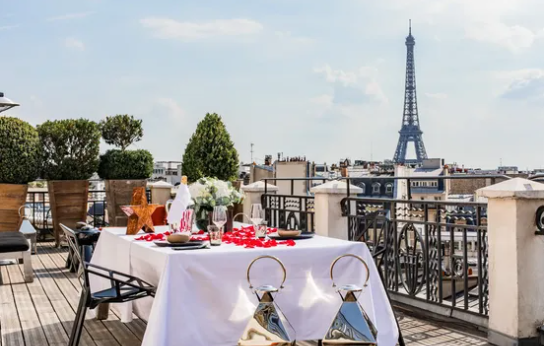
Paris, 2025. The Seine, that murky artery slicing through the city, had been off-limits for swimming since 1923. A century of pollution, bureaucracy, and bad decisions had kept it that way. But then, the city decided to clean up its act—€1.4 billion worth of act—and opened three designated swimming sites along the river. Bercy, Bras Marie, and Grenelle. They called it a “legacy” of the 2024 Olympics. A lot of us called it a gamble.
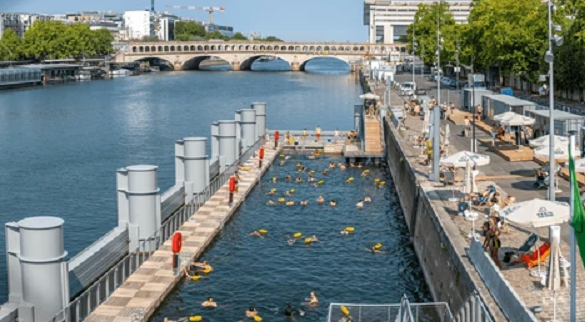
Opening day, July 5. The sun was out, the air thick with anticipation and sunscreen. The Bercy site, near the François Mitterrand Library, was the largest. Two pools, a solarium-type beach, and a capacity of 700 swimmers. It looked like a cross between a public pool and a luxury resort. The water temperature was 22°C (71°F)—warmer than the sea, according to some swimmers. The lifeguards wore high-visibility vests, the kind you see at construction sites, not beaches. Safety first, they said.
The first swimmers hesitated at the edge, then plunged in. They wore bright yellow lifebuoys, part of the strict safety measures enforced by lifeguards. The current was weak, just enough to tug gently at their limbs—a reminder that this was still a living, urban river. The atmosphere was buzzing. People cheered from the banks, snapping photos, laughing, and celebrating the moment. For a brief moment, the grime and grind of daily life melted away, replaced by the simple joy of swimming in the heart of Paris.
Verdict from the vox populi
Victoria Cnop, a 24-year-old Brazilian resident of Paris, expressed her surprise and delight:
“Really nice, I’m impressed, surprised. I never imagined being in the water close to the Eiffel Tower.” Reuters
Karine, a 51-year-old Parisian, shared her thoughts on the water quality:
“The water is clean, it’s warm, it’s clear. There is a bit of algae, but that’s normal. Come here everybody, it’s great!” Reuters
A local café owner near the Bercy swimming site noted the increased business:
“We had to double our staff. The demand was unreal. It’s like the whole city decided to take a swim and then dry off with a croissant.” Reuters
A tourist from London, enjoying the view from the Grenelle site, commented:
“Swimming in the Seine with the Eiffel Tower in the background? It’s surreal. I never thought I’d see the day.” The Associated Press
A swimmer at the Bras Marie site, after taking a dip, said:
“The water was surprisingly warm. It’s not something I expected from a river in the middle of a city.” Reuters
The River as Retail
When Paris reopened the Seine in 2025, the ripple effect on local businesses was immediate. Cafés, brasseries, and boutiques along the riverbanks saw foot traffic spike. Floating bookshops—crammed with Hemingway, Balzac, and overpriced postcards—became hotspots for tourists snapping selfies while clutching novels. One shopkeeper told reporters sales “soared like the river itself.”
Riverside cafés doubled staff to keep up. Patrons sipped espressos and cold rosé while swimmers cut through the water below, turning the banks into an open-air theater. Tour guides reported larger-than-usual crowds, with visitors drawn as much to the spectacle of people swimming as to the history lining the river.
The tourism boost was undeniable. Hotels, boat tours, and nearby attractions saw upticks in reservations, while the riverbanks themselves became a magnet for activity that hadn’t been there in decades. The Seine wasn’t just a body of water anymore—it was a summer economy, cash registers ringing in tandem with the paddles and waves on the water.
The other side of the Seine
The Seine’s reopening wasn’t all postcards and Instagram uploads. Crowds swarmed the riverbanks, turning quiet walks into bottlenecks. Cafés and the iconic bouquinistes—those green-booked barges—struggled to keep merchandise dry while navigating the flood of tourists and swimmers. Foot traffic spiked, yes, but for some, it was chaos disguised as opportunity.
Water quality was a looming question mark. Heavy rains in August 2025 forced temporary closures at Bercy, Bras Marie, and Grenelle, just a day after reopening. Around 3,000 swimmers had taken the plunge before the shutdown, proving the demand but also the fragility of this experiment. Kids splashed near cafés and bookstalls, vendors scrambled, and the delicate balance between leisure and disorder was on full display.
For those seeking a quiet and peaceful summer afternoon on the Seine? Well, they had fewer days and hours to choose from the first year of swimming after a century-long wait. It was progress, yes—but messy, loud, and unpredictable.
Looking ahead
If 2025 was a trial by water, 2026 is shaping up to be the sequel—bigger, busier, and slightly more managed. Paris plans to expand the number of designated swimming sites along the Seine, with new locations under consideration and the Bras Marie site being relocated to ease river traffic and improve accessibility. Around thirty towns in the Greater Paris region, especially in Hauts-de-Seine, have applied to host supervised bathing areas, reflecting the growing appetite for urban river swimming.
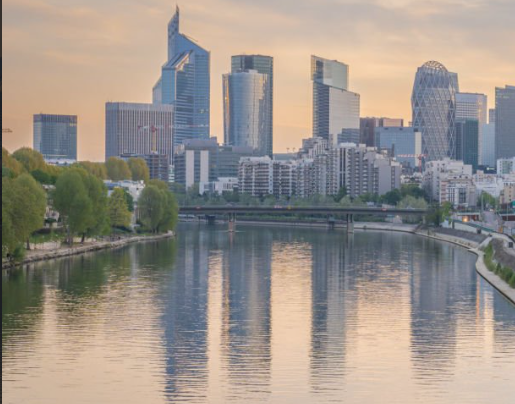
Water quality has improved markedly. As far back as 2023, safety tests showed the river swimmable roughly seven days out of ten. But perfection is still out of reach. Persistent pollutants, particularly PFAS—those “forever chemicals”—remain a concern; the Seine has the second-highest PFAS contamination among European rivers.
To tackle this, the city is investing in serious infrastructure. A massive underground storage tank near Austerlitz is designed to prevent untreated sewage from hitting the river during heavy rains. It holds the equivalent of 20 Olympic swimming pools, with water treated before release.
So next summer, expect more swimmers, more crowds, more commerce. The river will be alive, bustling, and unpredictable. The Seine of 2026 promises all the spectacle, risk, and raw urban energy that made 2025 unforgettable. Swim carefully, and keep your eyes on the water; the river has a way of reminding you it’s still the Seine.