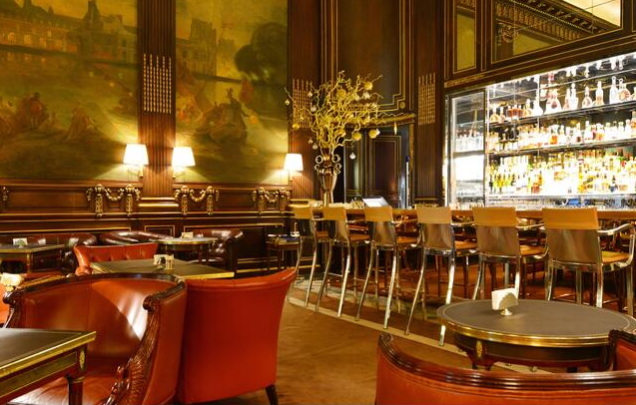
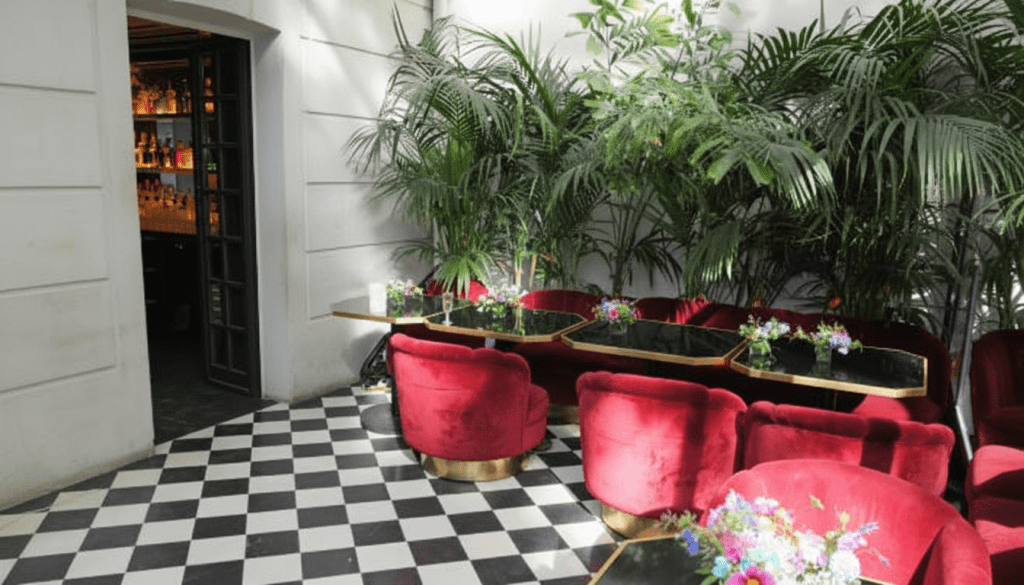
A black lockbox hangs from a wrought-iron fence near Rue Oberkampf. A family from Chicago crowds around a phone screen on a narrow sidewalk while scooters buzz past and a delivery rider balances a stack of pizza boxes against one shoulder. Twenty feet away, a woman in a navy blazer wheels a carry-on toward a boutique hotel lobby glowing amber behind brass-framed glass. Both parties have arrived in Paris. Both have booked accommodation. Yet they are participating in two entirely different versions of the city.
For years, the travel conversation revolved around a simple question: hotel or Airbnb?
That question now feels oddly outdated.
Airbnb transformed urban travel. It made kitchens, washing machines and residential neighborhoods accessible to visitors who would otherwise have spent their nights in compact hotel rooms near train stations and tourist corridors. It also created new tensions. Housing advocates began asking whether short-term rentals were removing apartments from the residential market. Residents complained about revolving-door tourism in formerly residential buildings, and cities responded with regulations. Fees multiplied, cleaning charges appeared, and travelers who once saw Airbnb as the obvious alternative began looking elsewhere.
The result is an accommodation landscape that looks very different from the one that existed ten years ago. The real competition in Paris is no longer Airbnb versus hotels. The real competition is Airbnb versus a growing ecosystem of alternatives: home exchanges, house-sitting networks, aparthotels, Booking.com apartments, mobility leases, hostels and, perhaps most surprisingly, hotels that have quietly become far more competitive than many travelers realize.
For visitors trying to decide where to stay in Paris in 2026, the smartest question is not whether Airbnb is good or bad. The smarter question is which accommodation model actually fits the trip.
Why Travelers Are Looking for Airbnb Alternatives in Paris
Paris has never been particularly sentimental about housing policy. The city has spent years wrestling with affordability, housing availability and the pressures created by tourism. In that environment, short-term rentals gradually became more than a travel issue. They became a political issue, an economic issue and, for many residents, a neighborhood issue.
Walk through parts of the Marais, South Pigalle or Canal Saint-Martin during peak tourist season and the signs of short-term tourism become difficult to miss. Suitcases clatter over stone pavements at all hours. Key lockboxes appear on railings and utility fixtures. Apartment buildings that once housed long-term residents develop the atmosphere of informal hotels. Some residents barely know who is staying next door from one week to the next.
Not everyone sees this as a problem. Supporters argue that many hosts are ordinary residents earning supplemental income. Critics argue that large-scale commercial operators have transformed portions of the housing market into tourist inventory. The debate remains active and often heated.
Travelers increasingly find themselves caught in the middle. Some object to Airbnb on ethical grounds. Others simply dislike cleaning fees, checkout instructions and cancellation risks. Many are discovering something unexpected: alternatives exist, and some of them make more sense.
Hotel vs Airbnb in Paris: Which Is Cheaper in 2026?

The most persistent myth in travel may be that Airbnb is automatically cheaper than a hotel.
That assumption made sense for many years. It makes considerably less sense today.
A traveler searching for accommodation in Paris might find an apartment advertised at €180 per night. The number looks attractive. The traveler clicks through the booking process. A service fee appears. A cleaning fee appears. Local taxes appear. The final cost begins drifting upward.
Meanwhile, a hotel room listed at €210 per night remains stubbornly close to €210 per night.
The difference narrows.
Then practical considerations enter the calculation. A front desk stores luggage after checkout. Housekeeping changes towels. Someone answers the phone when the air conditioning stops working. No one asks guests to strip beds, start a dishwasher or carry trash to a communal bin before departure.
None of this means hotels always win.
Families often need more space than hotels provide. Groups can divide apartment costs among several travelers. Long-stay visitors frequently benefit from kitchens and laundry facilities.
Yet the old assumption that Airbnb automatically offers the best value deserves scrutiny. The economics have become far less predictable than many travelers realize.
The irony is difficult to ignore. The platform that disrupted hotels now finds itself competing against hotels that adapted, improved and learned how to market convenience. A detailed hotel vs Airbnb pricing comparison shows how much the financial gap between the two choices has closed over time.
Who Should Choose a Hotel, Apartment, or Home Exchange in Paris?
The answer turns out to be surprisingly specific.
A solo traveler spending three nights in Paris often gains little from renting an entire apartment. That traveler typically needs a bed, a shower, secure luggage storage and a reasonably central location. A compact hotel room near Saint-Germain-des-Prés or République may solve all of those problems while avoiding many of the logistical complications associated with apartment rentals.
Couples occupy a middle ground. A long weekend in Paris rarely requires a washing machine or a full kitchen. Most visitors do not fly across the Atlantic to spend valuable vacation hours cooking pasta beneath exposed ceiling beams. For a romantic getaway, a small hotel often proves more practical.
Families tell a different story.
Two adults traveling with two children, a folding stroller, several backpacks and enough clothing to survive a week of unpredictable weather encounter challenges that hotels sometimes struggle to solve. Suddenly, separate sleeping areas matter. Refrigerators matter. Laundry facilities matter. The ability to prepare breakfast before a day of sightseeing matters.
Groups create another set of calculations. Four friends splitting a three-bedroom apartment can often secure more space than four separate hotel rooms while maintaining a shared social environment. In that situation, apartments retain clear advantages.
The lesson is simple. Accommodation decisions depend less on ideology than logistics.
HomeExchange in Paris: The Best Airbnb Alternative for Families and Long Stays?

Among all the alternatives available today, home swapping stands apart.
Most travelers understand hotels. Most understand Airbnb. Home exchanges still produce puzzled expressions and follow-up questions.
The concept remains remarkably straightforward.
A family in Brooklyn exchanges homes with a family in Paris. A couple from Lyon stays in London while London residents stay in Lyon. No nightly rate changes hands. No cleaning fee appears at checkout. No host attempts to monetize an otherwise empty apartment.
The arrangement sounds almost old-fashioned.
That may be part of its appeal.
HomeExchange has grown into one of the largest home-swapping networks in the world, yet many travelers remain only vaguely aware of its existence. The platform occupies a curious position within the accommodation landscape. It solves problems that hotels cannot solve and addresses concerns that some travelers now associate with short-term rentals. The advantages become clear when imagining an actual family trip rather than an abstract booking.
A family arriving in Paris through a home exchange might find children’s books stacked on shelves, a refrigerator already waiting in the kitchen, a washing machine tucked into a utility corner and a neighborhood bakery known primarily to residents rather than guidebook writers. The experience often feels less like booking accommodation and more like temporarily borrowing a life.
That distinction matters. Hotels sell hospitality, while Airbnb sells temporary residence.
The tradeoffs deserve attention. Home exchanges offer participation and require planning, trust remains essential, and flexibility helps. Travelers cannot always open an app on Tuesday and expect to move into a Paris apartment by Friday. Yet for longer stays, families and travelers seeking something beyond transactional tourism, home exchanges may represent the most compelling alternative currently available.
House Sitting in Paris: Can You Stay for Free in Exchange for Duties?
House sitting occupies another unusual corner of the travel ecosystem. At first glance, the arrangement sounds too good to be true. A traveler stays in a home while caring for pets or maintaining a property during an owner’s absence. In exchange, accommodation costs disappear or shrink dramatically.
Reality proves more complicated. The Labrador still needs exercise, the cat still expects breakfast, the plants still require watering. House sitting is not free accommodation, it is an exchange of responsibilities. For the right traveler, however, the model can be remarkably effective.
France maintains one of Europe’s strongest house-sitting cultures, and platforms such as Nomador enjoy particular visibility among French homeowners. The arrangement appeals most strongly to slow travelers, remote workers and visitors planning extended stays. Someone spending six weeks in Paris can realistically incorporate pet care into daily life. Someone visiting for a four-day museum sprint probably cannot.
The model works because it aligns incentives. Homeowners gain peace of mind, and travelers gain access to residential accommodation. Neither party approaches the arrangement as a commercial transaction in the traditional sense.
How to Book a Paris Apartment Without Using Airbnb
One of the strangest developments in modern travel is the way many people have come to treat Airbnb as synonymous with apartment rentals. The two concepts are not identical.
Booking.com lists enormous numbers of apartments throughout Paris. Hotels.com offers apartment-style accommodations. Vrbo continues operating in many markets. Independent agencies advertise furnished rentals directly while some travelers bypass major platforms entirely and work with local providers.
The practical lesson is worth remembering. An apartment does not require Airbnb.
The distinction becomes particularly useful for travelers who like apartment living but dislike specific aspects of Airbnb’s platform, pricing structure or policies. Apartment rentals remain available through numerous channels. Many visitors simply stop looking after encountering the most famous platform.
Paris Aparthotels: A Better Alternative to Airbnb and Hotels?
The most underrated category in Paris accommodation may be the aparthotel.
Aparthotels lack the romantic mythology of home exchanges and the cultural cachet of boutique hotels. They also solve an impressive number of practical problems.
A traveler receives a kitchenette, additional storage space and often laundry access while retaining many hotel conveniences. Companies like Staycity aparthotels show how these spaces are custom-built for travelers who want a residential feel combined with hospitality standards. Reception staff remain available. Professional management remains responsible for maintenance. Luggage storage typically exists. Guests avoid the uncertainty that sometimes accompanies peer-to-peer rentals.
For business travelers, families and stays exceeding several nights, aparthotels often strike an unusually effective balance between flexibility and reliability. The category rarely dominates travel headlines. That may explain why so many travelers overlook it.
The Ethics Debate: Are Airbnb Rentals Hurting Paris Housing?
Accommodation decisions increasingly involve ethical considerations whether travelers seek them out or not.
Paris did not reduce short-term rental allowances because municipal officials suddenly developed strong opinions about tourism aesthetics. Housing pressures, residential availability and neighborhood preservation all entered the discussion. Strict Paris short-term rental regulations dictate exactly how and when properties can be rented, changing the math for hosts and guests alike.
Travelers respond differently. Some deliberately avoid Airbnb because they worry about housing impacts. Others view those concerns as overstated. Many simply want accommodation that fits their budget and circumstances.
The debate rarely produces clean answers. A spare room rented by a resident differs from an apartment purchased solely for tourist use. A home exchange differs from a commercial short-term rental operation. A hotel differs from both. Rather than offering moral certainty, Paris increasingly offers choices. Travelers can decide which tradeoffs feel acceptable.
Which Accommodation Option Makes Sense for Your Trip?

The answer depends less on personal philosophy than on practical realities.
A solo traveler spending three nights in Paris often benefits from a hotel. Convenience outweighs additional space.
A couple visiting for a long weekend frequently falls into the same category.
Families staying one or two weeks may discover that home exchanges provide advantages that neither hotels nor short-term rentals can match.
Groups often benefit from apartments. Remote workers and slow travelers should investigate house sitting, mobility leases and aparthotels before assuming Airbnb represents the only viable option. Those looking to stay for a few months might look into a specialized French mobility lease, which offers a legal, structured option for medium-term stays.
The broader lesson is perhaps the most surprising one. Travelers spent years debating whether hotels or Airbnb offered the superior experience. Meanwhile, an entirely different ecosystem emerged around them.
Home swaps, house sitting, Aparthotels, furnished mobility leases, apartment bookings through other platforms. Boutique hotels that quietly improved while attention focused elsewhere.
Paris remains one world’s most visited cities, yet the accommodation conversation surrounding it has changed dramatically.
The smartest travelers no longer ask whether Airbnb beats hotels. They ask which system fits the trip. The answer often leads somewhere unexpected.