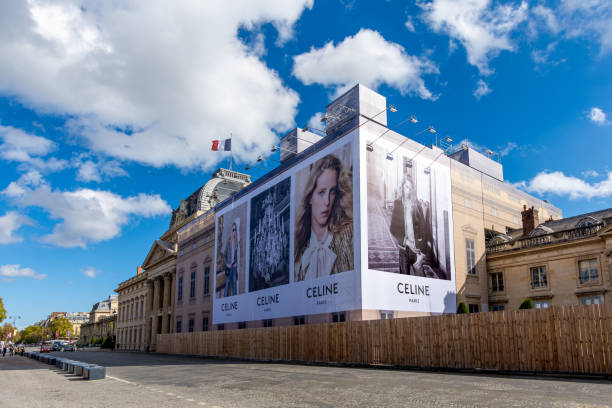
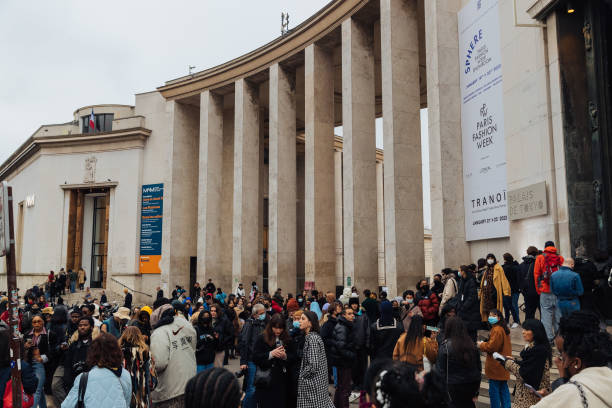
By Tuesday morning, the first day of Paris Fashion Week, the sidewalks around Palais de Tokyo usually begin filling before the first official show starts.
Two buyers from a Seoul concept store stand beside the Vélib station outside 13 Avenue du Président-Wilson smoking Marlboro Golds while checking WhatsApp voice notes on iPhone 16 Pros. One wears a washed-black Lemaire blazer over a white tank top despite the heat already climbing through the seventies. The other balances an espresso from Café Coutume on top of a dented silver Rimowa while a driver in a navy Lacoste polo unloads garment bags from a black Mercedes V-Class stopped illegally near the curb.
Across the street, a Dutch model in gray Adidas shorts and a faded Erewhon hoodie eats half a poulet-crudités sandwich from the Franprix near Alma-Marceau before heading toward a casting with a transparent comp-card sleeve tucked under one arm.
Most of Fashion Week happens outside the official events.
People unfamiliar with Paris Fashion Week usually imagine sealed-off luxury enclaves composed entirely of celebrities, locked guest lists, and private chauffeurs. The central runway shows can operate that way. Louis Vuitton Tuesday night near the Louvre will draw editors from major magazines, luxury clients, actors, athletes and buyers from department stores in Tokyo, Seoul and New York. Security around those shows remains tight because the guest lists remain small and heavily controlled.
The rest of the week works differently.
Presentations, showrooms, launch events, bookstore talks, gallery openings, networking mixers and hotel bars create a much larger ecosystem surrounding the official calendar. Some of those spaces remain private. Others become porous simply because hundreds of people move through them continuously all day long. Buyers arrive late. Stylists leave early. Assistants carry racks between rooms. Publicists stop recognizing faces after the fiftieth check-in.
That softer outer layer matters more for ordinary visitors than the hardest runway shows ever will.
Tuesday, June 23: IFM, Saint Laurent and the First Hotel Meetings
The official menswear calendar opens Tuesday afternoon with the Institut Français de la Mode Bachelor of Arts show at 2:30 p.m. at IFM Paris, 34 Quai d’Austerlitz in the 13th arrondissement. The audience here differs sharply from the luxury houses farther west. Fashion tutors from Belgium sit beside recruiters from smaller Paris showrooms. Students from Antwerp, Berlin and Seoul carry giant portfolios covered in airline stickers and folded Metro maps. Some of the collections lean heavily toward oversized tailoring and reconstructed military fabrics. Others reference Margiela-era deconstruction directly enough that conversations afterward drift toward old runway archives and textile sourcing.
This crowd spends more time discussing construction, silhouettes and references than filming arrivals outside.
Address: IFM Paris, 34 Quai d’Austerlitz, 75013
Metro: Quai de la Gare
Best arrival window: 1:45–2:15 p.m.
Best for: younger fashion crowds, independent designers, fashion students and smaller publications.
By late afternoon, buyers from Tokyo department stores, celebrity stylists, junior editors from fashion magazines and showroom assistants carrying black zipper garment bags begin moving west toward Avenue Montaigne and Avenue George V ahead of the evening luxury shows.
Saint Laurent’s 5 p.m. show attracts editors, celebrity stylists, luxury clients and buyers aligned with Anthony Vaccarello’s sharply tailored version of the house: narrow black jackets, exposed silk shirts, strong shoulders and monochrome eveningwear designed for photographs taken at midnight. Outside the venue, fashion students gather behind barricades while photographers wait for arrivals from magazines, luxury retailers and entertainment agencies.
People hoping to enter without credentials generally waste time outside the major luxury runway shows. The presentations nearby tend to offer better opportunities to move through the ecosystem naturally.
Meta Campania Collective runs from 3:30 p.m. until 6 p.m. Tuesday while Valette Studio continues until 8:30 p.m. Presentations function differently from runway shows because guests circulate continuously over several hours rather than entering all at once. Buyers from Tokyo department stores and Seoul concept boutiques inspect wool weights, seam finishes and fabric composition tags closely while stylists photograph cuff construction and interior lining details on iPhone Pros with cracked Casetify cases. Assistants in black Uniqlo trousers and Margiela replicas carry trays of San Pellegrino bottles, melting iced Americanos and tiny porcelain espresso cups between rooms while publicists juggle overlapping appointment schedules on overheating phones plugged into tangled charging strips near folding tables covered with lookbooks and half-eaten pain au chocolat.
The rooms look more like temporary wholesale offices than theatrical runway venues.
By evening, Hôtel Costes at 239 Rue Saint-Honoré begins filling steadily with Japanese buyers from department stores like Isetan and United Arrows, editors from smaller fashion magazines, influencers and stylists meeting between events. The courtyard remains one of the week’s more reliable observation points because the crowd changes constantly throughout the night. Younger social media figures and their hired assistants film Instagram reels against the red velvet interiors while exhausted publicists from agencies like Karla Otto and Lucien Pagès hold informal meetings over rigatoni, steak-frites and glasses of Sancerre while assistants recharge dead phones near the entrance beside piles of garment bags.
Hotel Costes remains publicly accessible during Fashion Week, but courtyard seating tightens quickly after dinner service begins and staff start informally prioritizing regulars, luxury clients and large reservations.
Wednesday, June 24: Castings, Dior Homme and Acne Studios
By Wednesday morning, the western edge of the 8th arrondissement usually fills with teenage boys heading between menswear castings carrying transparent comp-card sleeves and backpacks while agents refresh schedules continuously outside cafés near Avenue George V and Rue François-Ier. Some of the younger models still look unmistakably like high school students suddenly dropped into the luxury industry by accident: acne still visible under concealer, braces occasionally flashing when they laugh, oversized hoodies tied loose around tall, lanky frames while they smoke cigarettes beside black Mercedes vans waiting to shuttle them across the city to the next appointment.
The styling between castings stays practical. Adidas Sambas. Loose gray sweatpants or skinny jeans. Oversized Carhartt WIP hoodies. Plain white tees under wrinkled black jackets carried rather than worn once the June heat settles in properly. Several boys drag skateboards through hotel lobbies and temporary casting studios because they flew in directly from London, Copenhagen or suburban Paris with almost nothing besides a backpack and a portfolio. Agents in oversized black tailoring stand outside cafés reorganizing schedules on overheating iPhones while casting assistants tape updated appointment sheets beside temporary studio entrances every twenty minutes as delays ripple across the morning.
By early afternoon, the crowd outside Dior Homme near Invalides becomes noticeably denser. Buyers from department stores in Tokyo and Seoul usually arrive first, followed by editors from magazines like Vogue Hommes, Numéro and Dazed carrying battered Leica cameras and canvas totes filled with notebooks, celebrity stylists and influencers waiting behind barricades while photographers position themselves near the entrance. The house still holds enormous influence over luxury menswear retail globally, particularly in tailoring and formalwear, so the audience skews wealthier and older than some of the younger avant-garde labels elsewhere during the week.
The atmosphere outside changes block by block.
Avenue Montaigne feels heavily managed and commercial. Nearby cafés around the Seine fill with assistants carrying rolling racks, jewelry cases and folded seating charts and buyers from Milan’s luxury retailers in softly wrinkled navy Brunello Cucinelli jackets and lightweight pleated trousers checking notes between appointments. Several photographers lugging sun faded canvas totes wait near crosswalks asking guests to walk back across the street for cleaner lighting while delivery scooters continue weaving through traffic beside them.
Later in the afternoon, Acne Studios’ presentation attracts a younger and more mixed crowd. Scandinavian buyers in wide-leg black trousers stand beside Berlin stylists wearing oversized sunglasses and distressed denim despite the heat. The brand’s audience tends to favor oversized tailoring, washed fabrics, heavy outerwear and denim cut deliberately loose through the leg. Models off-duty sit near the entrance eating pasta salads and fries from nearby cafés while assistants carry racks of clothing through side doors held open only briefly between appointments.
Best arrival window: after 3 p.m. once the first rush settles.
Best for: younger creative crowds, softer security environments, clothing-focused audiences.
Look for: smaller side entrances used by assistants and showroom staff throughout the afternoon.
By evening, bars begin functioning almost like secondary venues. Different corners of the industry drift toward different rooms. Hôtel Costes attracts younger influencers, stylists and nightlife-adjacent fashion crowds. Bar 228 inside Le Meurice draws quieter meetings between showroom directors and magazine people escaping the heavier crowds around Avenue Montaigne.
L’Avenue at 41 Avenue Montaigne fills steadily after the late afternoon shows with models between fittings, celebrities, luxury shoppers and editors reviewing schedules over coffees and late lunches while photographers linger outside beside parked scooters and black Mercedes vans waiting for recognizable arrivals.
Le Bristol Paris at 112 Rue du Faubourg Saint-Honoré fills with editors from Japanese and American magazines, luxury buyers, stylists and executives meeting after shows. Tables remain occupied for hours. Waiters carry club sandwiches, steak-frites and bowls of pasta between conversations about deliveries, seating plans and wholesale orders while younger influencers gather near the entrances hoping to recognize arrivals from earlier shows.
Farther east in the Marais, Le Perle begins filling later with younger editors, stylists, fashion students and downtown art-world regulars smoking outside beneath the café lights while skateboards, camera bags and half-finished glasses of natural wine pile up around the terrace tables.
Thursday, June 25: Rick Owens, Smaller Presentations and Book Launches
Rick Owens near Palais de Tokyo produces one of the week’s densest concentrations of street-style photographers. The crowd dresses differently here than at Dior or Louis Vuitton. Long black leather jackets. Heavy platform boots. Waxed denim. Sleeveless tailoring. Oversized sunglasses despite cloud cover moving over the Seine. Buyers from independent boutiques in Tokyo and Berlin stand beside younger freelance stylists and fashion-school graduates from Antwerp and Berlin photographing details on jackets and footwear while photographers crouch low near the curb waiting for arrivals.
The show attracts people who follow designers closely.
Rick Owens remains one of the few major fashion houses whose audience often dresses according to the designer’s own aesthetic universe rather than general luxury trends. The clothing outside the venue reflects that immediately.
Area: Palais de Tokyo, 13 Avenue du Président-Wilson
Metro: Iéna or Alma-Marceau
Best arrival: 11:45 a.m.–2 p.m.
Best for: street style, avant-garde fashion crowds, independent photographers.
Nearby presentations remain significantly easier to move through than the larger runway shows. Ouest Paris runs from 11:30 a.m. until 2 p.m. while Feng Chen Wang continues until 5:30 p.m. Buyers inspect seams and fabrics closely while assistants move garment racks between temporary fitting rooms. Publicists stand near folding tables covered with bottled water, iced coffee cups and scattered charging cables while stylists photograph details for later reference.
Most presentations feel more practical than cinematic.
Thursday evening’s “Capitalism’s Favorite Child” book launch at Atelier Néerlandais near Les Halles begins at 7 p.m. on June 24 and draws a crowd overlapping fashion, publishing and gallery circles more than traditional influencer culture. The book focuses on the business history and economic machinery underneath modern fashion, which tends to shift conversations away from guest lists and celebrity sightings toward manufacturing, branding, labor, luxury conglomerates and the increasingly unstable relationship between fashion media and influencer culture. Independent magazine editors carrying canvas tote bags stuffed with review notes stand beside younger fashion writers, gallery assistants and publishing people balancing paper cups of wine near stacks of freshly opened books while conversations drift between LVMH, Substack newsletters, archival fashion publishing and wholesale collapse.
Unlike many Fashion Week afterparties later that evening, the setting should feel substantially less rigid and easier to navigate socially because guests are arriving for a publishing event rather than a tightly managed runway or nightclub door.
Friday, June 26: Comme des Garçons, Vetements and the Versace Retrospective
Friday morning around Le Marais feels noticeably busier than earlier in the week.
Fashion students carrying sketchbooks, point-and-shoot cameras and folded FHCM schedules cluster outside cafés while influencers film outfit videos beside storefronts before the sidewalks become too crowded. Around Comme des Garçons Homme Plus later that afternoon, photographers line entire sections of pavement waiting for arrivals. The crowd skews heavily black-clad: Yohji coats, Comme tailoring, vintage leather bags and narrow black sunglasses even in direct sunlight.
Vetements later that evening draws a younger and more online crowd. Oversized hoodies, hightop Balenciaga sneakers and distressed denim appear more frequently while younger fashion TikTok creators, model-adjacent Instagram influencers and street-style content accounts film continuously outside entrances and beside waiting cars.
The street-style ecosystem now runs almost independently alongside the official schedule. Veteran street-style photographers stop stop editors, models off-duty, celebrity stylists and well-dressed buyers repeatedly at intersections near Palais de Tokyo and Avenue Montaigne asking for additional shots while assistants hold ring lights in daylight for social-media content filmed between shows.
Friday afternoon’s Versace retrospective offers a different pace entirely.
Friday afternoon’s Gianni Versace retrospective at Musée Maillol offers a different pace from the runway schedule unfolding elsewhere across the city. Running from June 5 through September 6, the exhibition brings together roughly 450 pieces spanning Versace’s career, including original runway looks, sketches, accessories, backstage footage and large-format fashion photography from Helmut Newton, Richard Avedon, Patrick Demarchelier and Mario Testino.
Editors from older print magazines, museum staff, fashion students and designers move slowly through rooms filled with baroque prints, metal mesh dresses, sharply structured tailoring and campaign imagery from the supermodel era of the 1990s, when photographers like Newton and Demarchelier helped transform runway fashion into a global celebrity spectacle. Several galleries focus specifically on the visual language surrounding Versace’s shows: Linda Evangelista photographed against black studio backdrops, Naomi Campbell in saturated gold lighting, George Michael-era celebrity campaigns and the highly polished studio photography that dominated luxury fashion publishing before social media fragmented the industry’s visual culture.
Conversations inside usually become more technical than outside the runway venues nearby. Fabric construction. Runway casting. Fashion-image production before Instagram. The relationship between Versace, celebrity culture and fashion photography during the years when magazine covers still carried more cultural weight than social platforms.
Exhibition: Gianni Versace Retrospective
Address: Musée Maillol
Metro: Rue du Bac or Solférino
Dates: June 5–September 6, 2026
Best arrival: weekday late afternoons before post-show dinner traffic builds nearby
Best for: fashion-history obsessives, editors, photography people, quieter breaks from the runway schedule
By Friday night, Souly’s live Paris Fashion Week performance at La Bellevilloise pulls part of the younger fashion crowd east toward Belleville instead of back toward the hotel bars around Avenue Montaigne. Souly’s audience overlaps heavily with the newer Berlin-and-Paris menswear ecosystem: fashion students, downtown stylists, art-school boys in oversized denim and younger TikTok-adjacent fashion crowds who move more easily between underground music venues and runway presentations than traditional luxury spaces.
Event: Souly Live @ Paris Fashion Week
Venue: La Bellevilloise
Date: Wednesday, June 24, 2026
Time: 8 p.m.
Metro: Gambetta or Ménilmontant
Best for: younger fashion crowds, Berlin-adjacent menswear culture, post-show nightlife outside the luxury hotel circuit.
Look for: fashion students, younger stylists, skate brands mixed with avant-garde menswear, cigarette crowds spilling onto Rue Boyer between sets and afterparties.
Saturday, June 27: Maison Kitsuné, Watch Parties and the Weekend Crowds
By Saturday afternoon around Palais de Tokyo, photographers kneel in traffic lanes trying to frame arrivals cleanly while assistants weave rolling racks and garment boxes through clusters of influencers filming outfit videos beside the curb and ordinary pedestrians squeeze past toward the Seine looking increasingly confused about why the neighborhood suddenly resembles an outdoor film set.
Maison Kitsuné’s presentation attracts one of the week’s more mixed audiences because the brand still overlaps heavily with café culture, music and publishing in addition to fashion. Younger Parisians wearing vintage Levi’s stand beside buyers carrying Bottega Veneta bags while assistants move trays of sparkling water through conversations about upcoming collaborations, nightlife plans and dinner reservations.
The atmosphere feels looser than the luxury houses nearby.
By evening, LYAS’s La WATCHPARTY at Théâtre du Châtelet begins livestreaming runway shows publicly rather than behind invitation barriers. Crowds gather around large screens while younger fashion students, tourists and locals watch shows together without navigating guest lists or security checkpoints.
The event changes the rhythm of the week slightly. People stop moving between barricades and simply sit for a while watching the collections themselves.
LYAS’s La WATCHPARTY became one of the more visible public-facing Fashion Week events during recent Paris seasons, livestreaming runway shows inside the theater for crowds without invitations to the official venues. Previous editions during women’s Fashion Week included giant runway livestreams, sponsor-branded drinks, concession stands and crowds of fashion students, younger creators and editors watching collections together in real time instead of outside barricades. LYAS June 2026 menswear edition will likely function as one of the easier public entry points into the broader Fashion Week ecosystem.
Event: La WATCHPARTY by Lyas
Venue: Théâtre du Châtelet
Metro: Châtelet
Status: June 2026 menswear edition not yet officially confirmed
Best for: fashion students, younger creators, livestream runway viewing, public-facing Fashion Week crowds
Previous editions included: runway livestream screenings, sponsor-branded drinks, concession counters, tote bags and large mixed crowds reacting to shows in real time inside the theater space
Sunday, June 28: The Final Day
By Sunday afternoon, the week starts slowing visibly.
Wooyoungmi, Sacai and Kidsuper close the official menswear calendar while buyers from Tokyo department stores, Seoul concept boutiques and Milan luxury retailers begin leaving for flights to Milan and showroom appointments in Florence carrying overfilled Rimowa cases, fabric notes, wholesale sheets and garment boxes packed hurriedly between final meetings. Lobby traffic at Hôtel Costes, Le Meurice and Ritz Paris thins gradually as stylists settle invoices, assistants reorganize rolling racks for international shipping and PR teams begin dismantling temporary Fashion Week operations assembled only days earlier.
Outside cafés near Gare Saint-Lazare, boys from the shows heading toward castings in Milan or flights back to Copenhagen, London and Berlin sit with jambon-beurre sandwiches, Coca-Cola cans and half-finished iced coffees scrolling silently through phones while waiting for trains, airport transfers and last-minute agency messages confirming the next city on the schedule.
The conversations become more direct on the final day.
Buyers discuss which collections actually sold. Editors compare notes on upcoming reviews and shoots. Publicists finally sit down properly after several days spent moving continuously between venues.
The useful thing about Paris Fashion Week is not necessarily entering the hardest room. It is understanding how the city reorganizes itself around fashion for one week every June, and learning which parts of that temporary system remain open and interesting even without an invitation.